Together, we can help to alleviate energy poverty
15 November 2021
The City of Cape Town is embarking on a journey where it seeks to decrease energy poverty in low-income households in partnership with residents and civil society. The City’s desire is to improve the living conditions of vulnerable residents and to look at ways to enhance safety through greater access to affordable alternative energy solutions. The City is therefore calling on all non-governmental organisations, suppliers, academia, businesses and civil society who are active in providing innovative initiatives to decrease energy poverty in low-income households to partner with the City in sourcing affordable energy poverty reduction solutions.
Insufficient access to energy sources by households, known as energy poverty, is associated with poor social conditions and poor economic outcomes. The Low-Income Energy Services (LINES) Unit of the City’s Sustainable Energy Markets (SEM) Department aims to facilitate the provision of ‘best possible’ energy services to low-income communities in a sustainable manner for both the City and households to assist with alleviating energy poverty.
‘Approximately 97,7% of the City’s residents have access to electricity through the national grid supply network. Despite receiving subsidised grid connections, subsidised electricity through the lifeline tariff, and free electricity through the free basic electricity (FBE) allocation, low-income households remain largely in a position of energy poverty, while a percentage of households in informal settlements cannot be provided electricity from the grid due to the settlements typically being located on unsuitable land,’ said the City’s Executive Director for Energy and Climate Change, Kadri Nassiep.
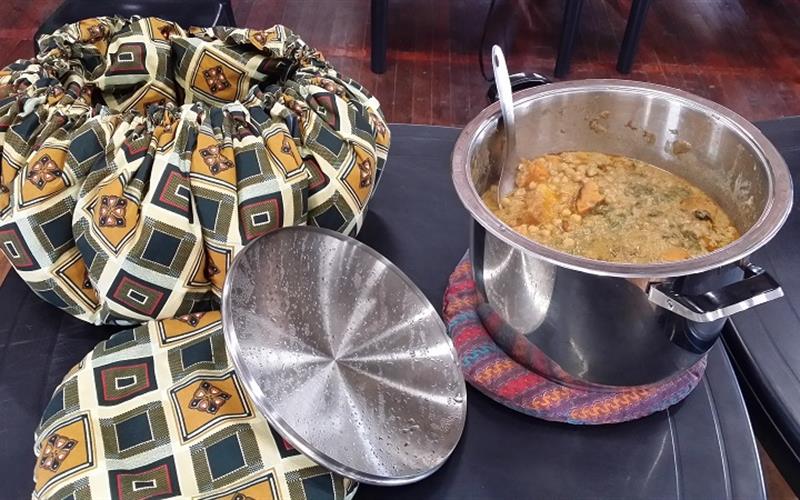
There are also other households awaiting grid connection, while others in backyards on properties not owned by the City are often exploited by landlords who charge excessive rates for electricity access. Not having direct grid access, these residents are exposed to an electricity supply which is expensive and often unsafe and of poor quality.
With informality growing in Cape Town and in other urban centres in South Africa, innovation and greater partnerships are required.
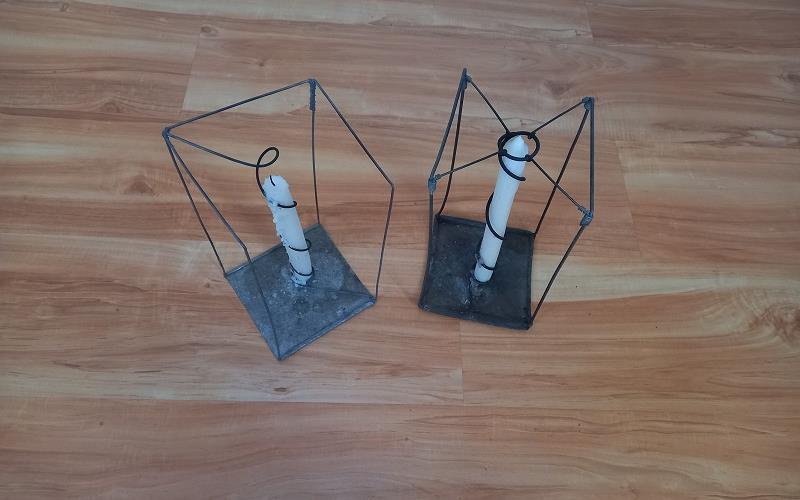
Why a call for collaboration?
‘The continued decline in the City’s electricity sales and rates revenue base and declining national grant allocations, coupled with the ongoing growth of informal settlements, means the City’s options for maintaining the subsidised provision of affordable electricity for low-income households are narrowing and the City has to be innovative in addressing energy poverty in low-income households.
‘The City is looking to strengthen its efforts in decreasing energy poverty in low-income households. It is therefore seeking innovative, affordable and user-acceptable energy poverty reduction solutions in partnership with NGOs, suppliers, academia, businesses and civil society, who are interested in working in this area,’ said Nassiep.
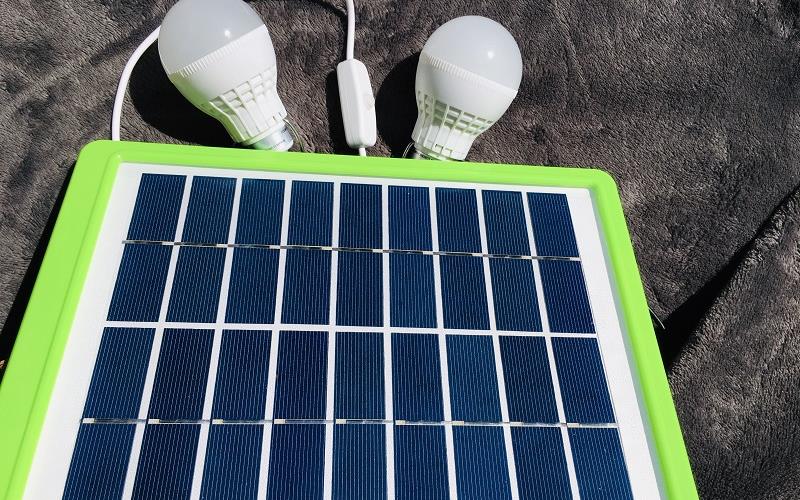
What kind of collaborations?
Examples of collaborative projects include education and communication campaigns encouraging households to use all available energy resources safely and efficiently; research and stakeholder engagement; technical interventions supported by sound financial models; implementation of pilot projects; and funding opportunities to demonstrate energy efficiency and provision of safe and clean alternative energy services and technologies.
Please note that this call for collaboration does not constitute a tender and does not bind the City to do business with any one or more respondents. The collaboration also will not involve direct funding from the City.
To access the call for collaboration guidelines and response template, please visit https://bit.ly/CCT-Energypoverty or email sustainableenergymarkets.enquiries@capetown.gov.za
End
Published by:
City of Cape Town, Media Office